Hello friends, I’m back with another useful topic on vegan probiotics.
Incorporates probiotics to offer improved gut health.
Nowadays, everyone wants good health, So Gut health is more important for a healthy lifestyle.
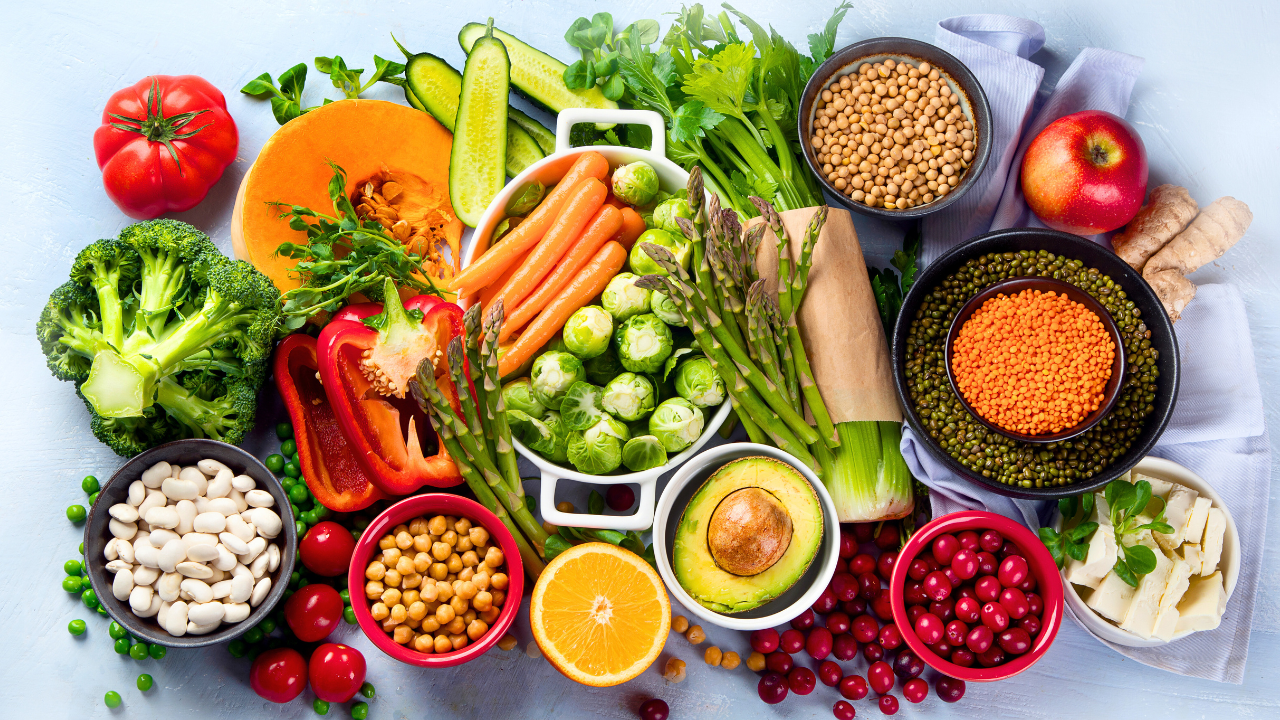
Vegan sources of probiotics provide more nutrients, and they can improve overall well-being.
These vegan probiotic foods are rich in vitamins, minerals, and antioxidants, and they are also rich in probiotics.
They can help to maintain your body balance and support your microbiome.
Benefits of vegan probiotics
Everyone wants a healthy lifestyle and a healthy gut.
Vegetarian probiotics offer more nutritional benefits for overall health.
Some of the benefits and advantages include this.
It can help to Improve Gut health, it provides support for the gut microbiome, and promotes a stable, balanced gut health ecosystem.
These natural infant probiotics can help to fight digestive issues like bloating, acidity, and gas.
Immune system benefits
Plant-based probiotics boost your immune system and energy levels.
It was good bacteria to fight digestive issues.
Overall well-being benefits
Vegan probiotic foods help to reduce stress and anxiety, so they improve mental health.
Plant-based probiotics can help improve nutrient absorption.
Some research suggests it can be helpful for healthy weight loss.
Vegan Probiotics-8 Delicious Varieties to Boost Your Gut Health
Kombucha
Kombucha is a fermented tea drink.
It contains a symbiotic culture of bacteria that supports gut health and the digestive system.
Kombucha helps detoxify the body and support liver function.
You can enjoy this drink chilled and flavored with fruits.
Also, you can use the base for smoothies.
Vegan Kimchi
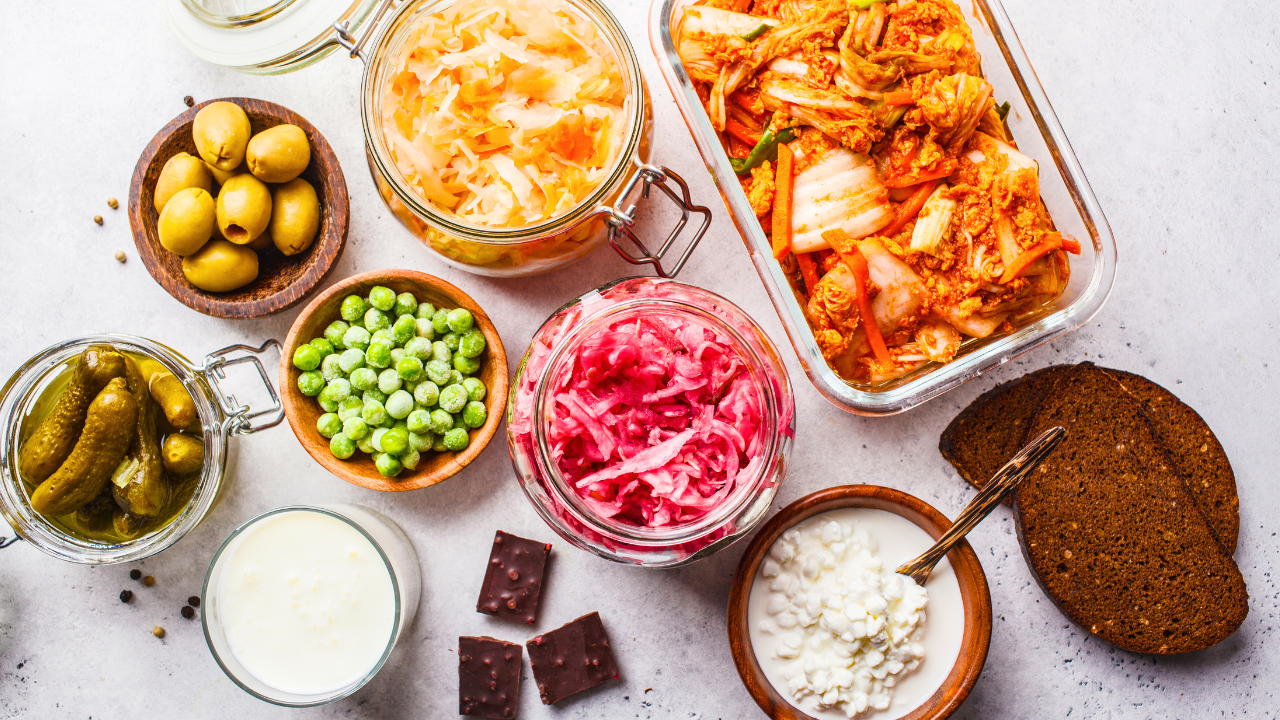
This kimchi was made with garlic cabbage and chilli; it was spicy and tasty, and it contains vegan probiotic sources.
Spice lovers more like this vegan kimchi.
The vegan kimchi helps to reduce inflammation and improve gut microbial balance.
It can improve our health.
Rice with vegan kimchi is a perfect option for eating.
Sauerkraut
It was a very religious and more nutritious food, packed with fermented food.
Sauerkraut contains vitamins and minerals.
It can improve your gut health and is better for digestion.
Vegan probiotics are rich in vitamin C, which helps boost your immunity and reduce inflammation.
You can enjoy tangy toppings for burgers, mix into salads, use in soups, stews, and enjoy as a snack.
Fermented Pickles
Pickles are good probiotics made by pickling without using vinegar, only using salt to ferment, and are also loaded with good bacteria.
Special tip: Made use of mustard oil for pickle, not commercial vinegar.
Pickles are improving our gut health.
You can eat pickles in limited quantities only.
Dairy Free curd (Coconut, Almond, Soy curd)
Curd is one of the best probiotics for vegans.
These probiotics are one of the famous traditional foods in India.
Curd contains lactobacillus, which is a good bacterium, and it improves our gut health.
Eating curd helps to cool our stomach, improving the digestive system and helping with acidity.
These are the benefits of consuming dairy-free probiotics supplements.
Miso
One of the traditional seasonings in Japanese.
Made by fermenting soybeans with salt and koji.
Miso offers great probiotics, so it improves gut health.
Miso is a nutrient-dense food; it’s rich in vitamins, minerals, and antioxidants.
You can enjoy it in soups or use it as a marinade for tofu.
Tempeh
Tempeh is the best source of probiotics for vegans.
It was a perfect option for vegetarians, made from fermented soybeans.
Tempeh helps to improve muscle, and it’s good for gut health.
You can enjoy tempeh stir-fried, grilled, or in wraps
Kerif
Kerif is fermenting milk products, which offer good bacteria to improve gut health.
It provides boosting energy for a full day and before bed to promote sleep.
You can enjoy this after meals or in the morning on an empty stomach, to your preference.
FAQS
1. Can I eat probiotics daily?
Yes, you can eat daily probiotics.
It’s essential for your body.
Probiotics are beneficial for helping maintain gut health, can enhance the immune system, and can be helpful in decreasing digestive issues.
2. What’s the best time to eat probiotics?
The best time to eat probiotics is with meals or just before meals, which is a better time to eat because food buffers stomach acid and helps beneficial bacteria’s overall health.
3. Can probiotics help with bloating?
Yes. These plant-based probiotics give more benefits, and vegan probiotics can help to reduce inflammation, improve gut health, and cut down gas-producing bacteria.
They help with bloating.
4. Who should avoid fermented foods?
People who suffer from issues such as histamine intolerance, lower immune systems, or certain GI disorders should consult a doctor before consuming fermented foods.
Consuming fermented food with a disease may cause some issues, like gas or discomfort initially.
5. Where do vegan probiotics come from?
Though probiotics are plant-based foods, there are sauerkraut, kimchi, miso, tempeh, and vegan yogurts made from almond, coconut, and soy; they’re dairy-free.
It’s beneficial for our overall well-being.
It provides boosting immunity, gut health, and reduces inflammation.
6. Which fruit has the most probiotics?
Banana is the best source of probiotics.
It contains a high source of starch.
A not fully ripped banana has more probiotics.
It feeds good bacteria.
It’s very healthy for the stomach.
Final words
So, all about Vegan Probiotics-8 Delicious Varieties to Boost Your Gut Health can be helpful for a healthy lifestyle.
Consuming vegan probiotics in your diet, you will see amazing results.
This plant-based probiotic food supports gut health, boosts your immune system, reduces inflammation, and helps improve gut health.
You can try experimenting with new recipes and find the best vegetarian probiotic foods that work best for you.